Passive Cooling in the Tropics
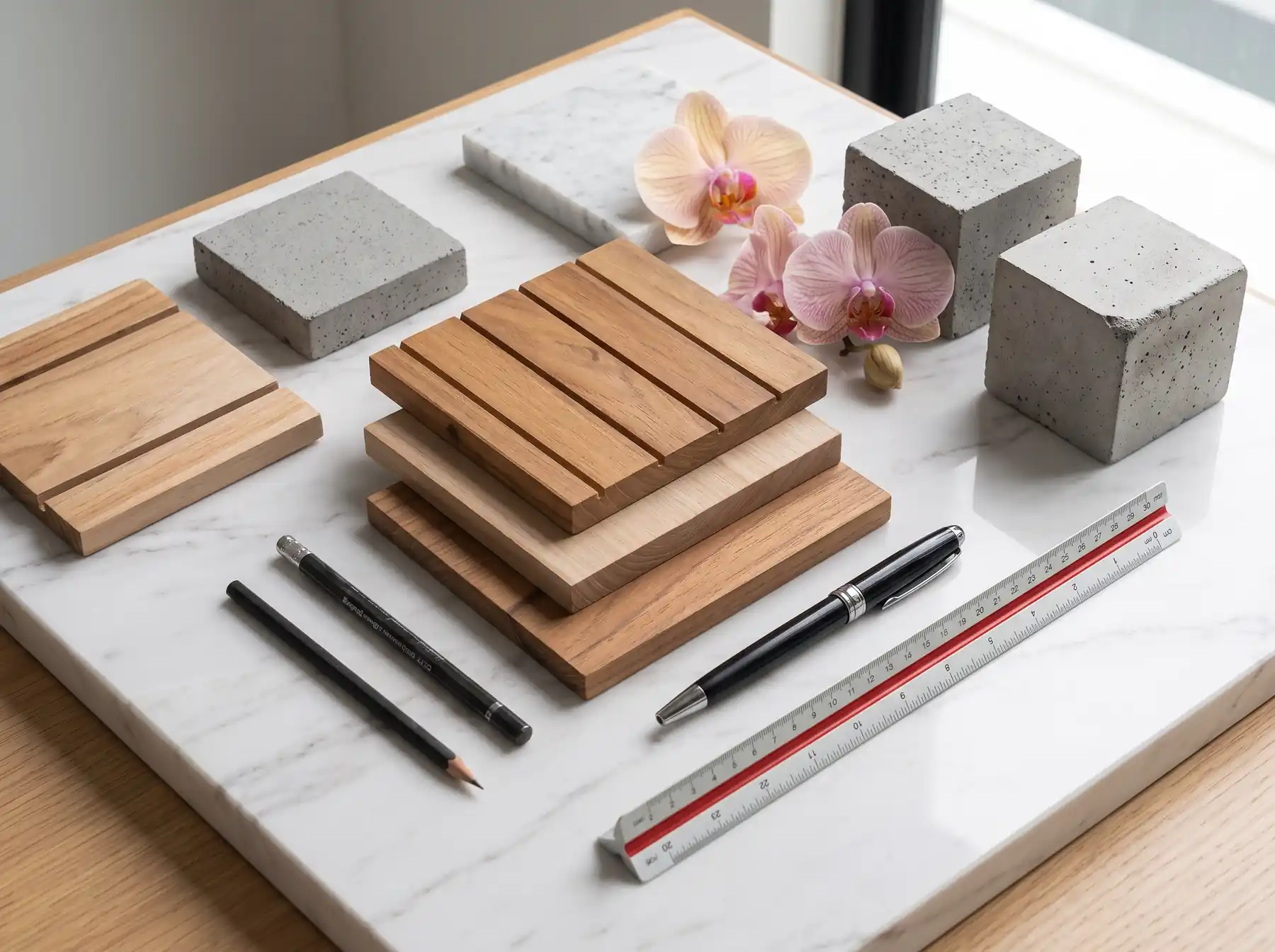
How to Design Luxury Villas That Stay Naturally Cool
In the luxury real estate market of Krabi, “comfort” is often synonymous with a massive air conditioning bill. Many modern villas are designed as “glass boxes”—architectural masterpieces that, unfortunately, function like greenhouses in the 34°C heat of the Andaman coast.
At Krabi Contractor (KC), we challenge this convention. Following our “Krabi Goes Green” initiative, we prioritize Passive Cooling Architecture. Our goal is to design villas that maintain a comfortable interior temperature of 24–26°C through natural forces, reducing energy consumption by up to 60% while enhancing the health and well-being of the occupants.
Here is the KC blueprint for mastering the tropical climate through “Problem-Setting” design.
1. Site Orientation: Playing with the Sun and Wind
Passive cooling begins long before the first stone is laid; it begins at the Topographical Survey stage. We analyze the specific micro-climate of your land to determine:
- The Solar Path: In Krabi, the sun’s path is primarily east-to-west, with a southern inclination. By orienting the “long” axis of the villa north-to-south, we minimize the surface area exposed to the intense afternoon sun.
- Prevailing Breezes: We map the seasonal winds—the southwest monsoon and the northeast trade winds. By aligning large openings and “wind corridors” with these breezes, we allow the villa to “breathe” naturally.
2. Thermal Mass and the “Breathing Wall”
Standard construction in Thailand often uses thin, single-layer concrete blocks that absorb and radiate heat directly into your living room. At KC, we employ a Double-Wall System with a ventilated air gap.
- How it works: The outer layer absorbs the sun’s energy, while the internal air cavity acts as an insulator, preventing “thermal bridging.”
- The Benefit: Your walls no longer act as heaters at 8:00 PM. By using materials with high thermal mass, such as autoclaved aerated concrete (AAC) or stone cladding, we create a structure that stays stable regardless of the outside temperature.
3. The “Stack Effect”: Harnessing Thermodynamics
One of the most powerful natural forces we use is Buoyancy-Driven Ventilation, commonly known as the Stack Effect.
- The Science: Hot air naturally rises. By integrating high-level clerestory windows, roof vents, or “thermal chimneys” in the center of the villa, we create a vacuum that pulls cooler air in through lower-level openings near water features or shaded gardens.
- The Result: A continuous, gentle air movement that flushes out stale, hot air without the noise or cost of mechanical fans.
4. Deep Overhangs and Shading Geometry
In the tropics, the roof is the most important thermal shield. A KC-designed villa features Deep Eaves (1.5 to 2.5 meters) and strategic shading “fins.”
- Solar Shading: We design roof overhangs specifically calculated to block the high-angle summer sun while allowing diffused natural light to enter.
- Protecting the Envelope: By shading the walls and windows, we prevent the glass from ever reaching the “greenhouse point.”
5. Landscape as Infrastructure
We don’t view landscaping as “decoration”; we view it as a cooling system.
- Evaporative Cooling: By placing reflection ponds or swimming pools directly in front of the prevailing wind direction, the air is naturally cooled through evaporation before it enters the villa.
- Strategic Shading: We plant indigenous trees with wide canopies on the western side of the property to provide a natural “thermal buffer” against the harsh evening sun.
6. Why This Matters for the Investor (The ROI of Green)
Building a “Green Luxury” villa is not just an ethical choice; it is a superior investment strategy:
- Reduced Operational Costs: Lower electricity bills mean higher net rental yields for your property.
- Asset Longevity: Passive cooling reduces the “wear and tear” on expensive AC units and prevents mold growth caused by condensation.
- Resale Value: In the 2026 market, “Sustainability” is the most requested feature for HNW buyers. A villa that stays cool naturally is a “Future-Proofed” asset.
Conclusion: Designing for the Future
Luxury in Krabi shouldn’t mean fighting the environment; it should mean living in harmony with it. By using our Phase 2: Technical Planning services, you are investing in a home that is scientifically designed to be comfortable, sustainable, and prestigious.
Krabi Contractor: We identify the climate challenges so you can enjoy the comfort.