Italian Gastronomy and Hospitality in Thailand: The Strategic Guide to F&B Investment, Culinary Culture, and Commercial Development
Introduction: The Culinary Bridge Between Italy and the Land of Smiles
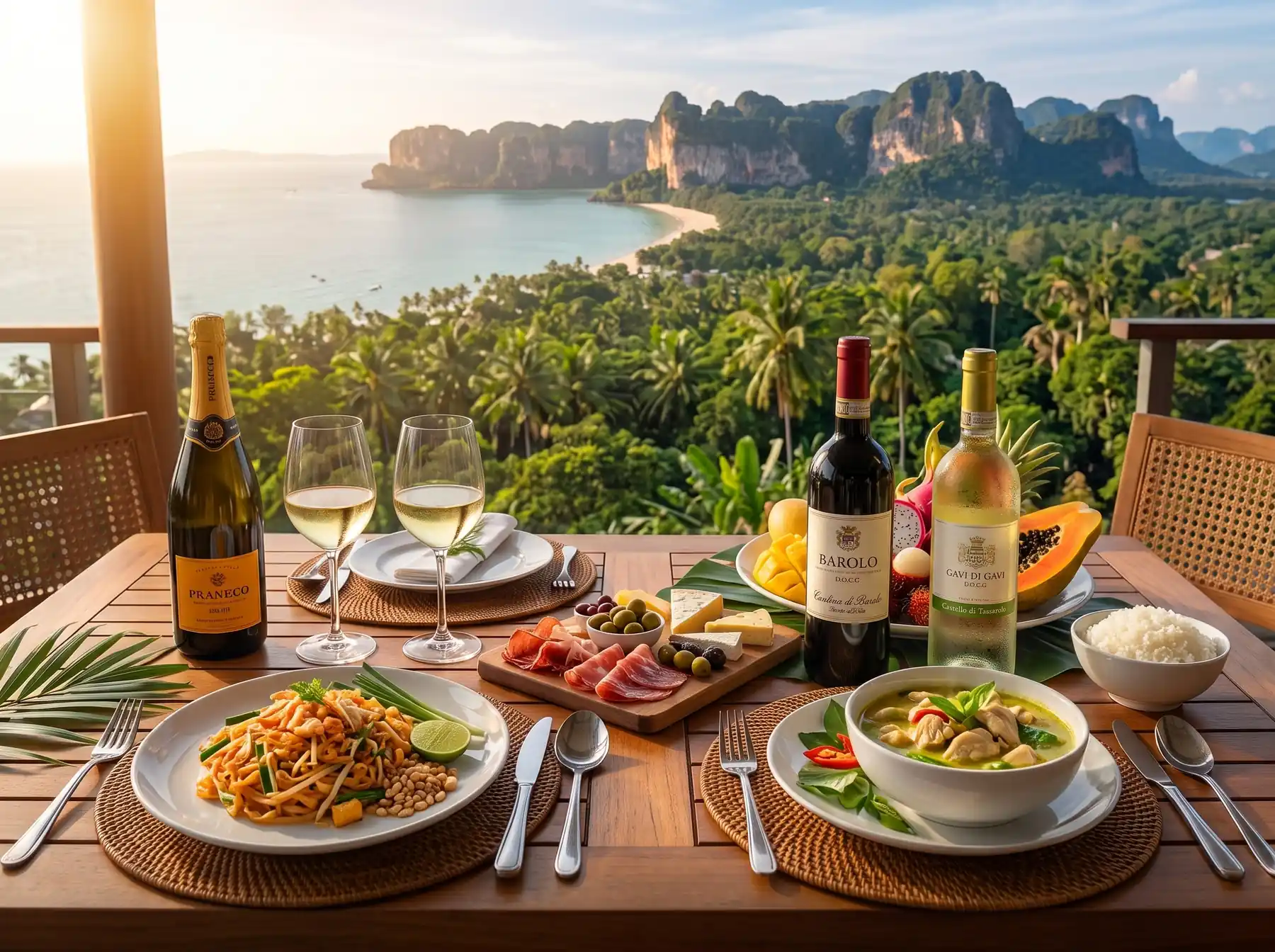
The cultural and economic connection between Italy and Thailand is celebrated through the lens of culinary artistry, fine wines, and luxury hospitality. Across the Kingdom—from the bustling cosmopolitan corridors of Bangkok to the premier beachfront enclaves of Phuket and Krabi—Italian gastronomy has evolved from a popular dining option into a pillar of Thailand’s vibrant food and beverage (F&B) industry.
However, translating Italian culinary traditions into a thriving, profitable commercial enterprise in Southeast Asia requires more than passion for authentic food. Opening a high-end restaurant, wine lounge, or boutique resort dining concept demands a “Problem-Setting” approach: understanding foreign business regulations, structuring compliant corporate entities, navigating alcohol and health licensing, and engineering commercial kitchens to handle tropical climate realities.
This comprehensive guide explores the rich culinary heritage of Italians in Thailand alongside the essential legal, technical, and operational frameworks required to successfully establish an F&B business in the Kingdom.
1. The Italian Culinary Footprint in Thailand
Authentic Regional Gastronomy
Italian cuisine in Thailand has moved far beyond standardized pasta and pizza. Discerning local and international diners across Southeast Asia seek authentic regional specialties:
- Northern Traditions: Saffron-infused risottos, braised ossobuco, polenta, and artisanal cheeses.
- Central Italian Classics: Handmade egg pastas, truffles, bistecca alla Fiorentina, and slow-simmered ragù.
- Southern & Maritime Heritage: Wood-fired Neapolitan pizzas, fresh seafood pastas (linguine alle vongole), grilled Mediterranean sea bass (branzino), and Sicilian citrus-infused desserts.
Gastronomic Synergy with Thai Coastal Resources
Italian chefs in Thailand benefit from the country’s abundant agricultural and coastal produce. Premium local seafood—such as Andaman lobster, tiger prawns, and fresh grouper—is integrated into classic Mediterranean recipes like zuppa di pesce and carpaccio di mare. This harmony of fresh tropical ingredients and traditional Italian culinary techniques delivers a dining experience that respects heritage while celebrating local terroir.
The Evolution of Wine Culture and the Aperitivo Tradition
The ritual of the Italian Aperitivo—gathering for pre-dinner spritzes, sparkling Prosecco, and artisanal bites—has become a staple in Thailand’s social and dining scene.
Thailand’s tax reforms on alcoholic beverages have lowered excise taxes on wine (from 10% to 5%) and eliminated heavy import duties on international grape wines. This regulatory shift has made premium Italian wines—from Barolo and Brunello di Montalcino to crisp Pinot Grigio and Franciacorta—more accessible to dining venues, distributors, and consumers across the country.
2. Legal & Corporate Frameworks for Opening an F&B Business in Thailand
Operating a successful restaurant, bar, or hospitality venue as an international entrepreneur requires strict adherence to Thai corporate and commercial law.
The Foreign Business Act (FBA) and Corporate Structuring
Under List 3 of the Foreign Business Act (FBA), standard food and beverage services are restricted activities for foreign-majority companies:
- Compliant Thai Limited Company: International restaurateurs typically establish a private Thai Limited Company. Foreign ownership is capped at 49%, with 51% held by legitimate Thai partners.
- Operational Control: Foreign investors can retain full administrative and financial authority by engineering bespoke Articles of Association (AOA) that establish specific voting rights and unilateral bank-signing power for the foreign Managing Director.
- Strict Anti-Nominee Compliance: Krabi Contractor operates with 100% statutory transparency and strictly rejects unlawful nominee arrangements. Thai shareholders must demonstrate legitimate financial standing to satisfy Department of Business Development (DBD) regulations.
Work Permits and Capital Requirements
To sponsor foreign chefs, managers, or sommeliers:
- The operating company must maintain a minimum of 2 million Thai Baht in registered capital per foreign work permit issued.
- The company must employ at least four full-time Thai staff members per foreign employee, contributing to monthly Social Security funds.
Essential Commercial Licenses
Before opening restaurant doors to the public, several mandatory operational permits must be secured:
- Restaurant / Food Service License: Issued by the local municipality (OrBorTor or District Office) following health, sanitation, and safety inspections.
- Alcohol Distribution License: Issued by the Excise Department, permitting on-premise alcohol sales during legally designated hours.
- Music & Entertainment License: Required for playing copyrighted music, hosting live performances, or operating sound systems.
- Thai FDA Import Clearance: Mandatory for venues directly importing specialized Italian ingredients, cured meats (salumi), unpasteurized cheeses, or private wine labels.
3. Commercial Engineering: The “Problem-Setting” Approach to Kitchen Design
Building an authentic Italian restaurant in a tropical environment presents unique civil and mechanical engineering challenges. Standard residential infrastructure is inadequate for commercial culinary operations.
High-Capacity Electrical Infrastructure (MEP)
Authentic Italian cooking relies on specialized, high-load machinery—including high-temperature pizza ovens, commercial dough mixers, commercial pasta extruders, multi-deck espresso machines, and walk-in blast chillers.
- A comprehensive Mechanical, Electrical, and Plumbing (MEP) audit is critical to secure a dedicated three-phase electrical transformer from the Provincial Electricity Authority (PEA), preventing brownouts and equipment damage.
Commercial Grease Traps and Environmental Drainage
Under Thai environmental protection standards, commercial kitchens cannot discharge untreated cooking runoff into municipal drains:
- High-volume, stainless-steel grease traps and bio-enzyme separator systems must be integrated into subterranean plumbing schematics.
- Proper slope-gradient drainage prevents sewer backflow, grease blockages, and odor issues during high-temperature tropical weather.
HVAC Balancing and Thermal Extraction
Managing kitchen heat in a tropical monsoon climate requires precision engineering:
- High-velocity commercial extraction hoods must be installed to vent grease vapors and excess heat from heavy cooking equipment.
- Fresh-air makeup systems are required to balance air pressure, preventing kitchen heat and cooking aromas from entering the air-conditioned front-of-house dining areas.
4. Regional Focus: Why Krabi Leads F&B and Hospitality Growth
While major metropolitan hubs like Bangkok and Phuket face high commercial rents, intense saturation, and fierce competition, the province of Krabi represents an expanding market for high-end dining and boutique hospitality.
- Ao Nang & Chong Phli: The primary lifestyle corridor in Krabi, featuring steady foot traffic from international expatriates and luxury travelers seeking upscale European and Mediterranean dining options.
- Khlong Muang & Tubkaek: Home to exclusive five-star resort properties and private beachfront estates. Ideal for destination fine-dining restaurants, sunset beach clubs, and curated Italian wine lounges.
- Infrastructure Capitalization: The modern expansion of Krabi International Airport (KBV) and provincial transport networks continues to bring an influx of high-spending travelers, creating strong demand for authentic gastronomy and leisure venues.
5. Frequently Asked Questions (FAQ)
Can a foreign citizen 100% own a restaurant in Thailand?
Under the Foreign Business Act (FBA), standard F&B businesses are restricted to a maximum of 49% foreign equity. However, foreign entrepreneurs can retain operational and financial control through customized Articles of Association (AOA) and Managing Director signing powers within a compliant Thai Limited Company.
What licenses are required to import Italian wines and food products into Thailand?
Direct importation requires an import license, commercial registration with the Thai Customs Department, and product certification from the Thai Food and Drug Administration (FDA). For alcoholic beverages, an import permit and excise tax clearance from the Excise Department are mandatory.
How does Krabi Contractor assist with commercial restaurant development?
Krabi Contractor manages the entire commercial lifecycle: from site scouting and lease negotiations to company registration, municipal building permits (OrBorTor), MEP commercial kitchen design, and on-site project management.
Why is commercial MEP planning essential before signing a property lease?
Many commercial shophouses and plots lack sufficient three-phase power, adequate water pressure, or compliant grease-drainage infrastructure. A pre-lease technical audit identifies potential utility upgrade costs before financial commitments are made.
Build Your Hospitality Vision with Krabi Contractor
Whether you are establishing a fine-dining Italian restaurant, developing a boutique resort dining venue, or expanding a commercial hospitality brand in southern Thailand, success requires expert technical coordination and legal precision.
Backed by 18 years of local engineering, corporate structuring, and project management experience, Krabi Contractor Co., Ltd. serves as your trusted development partner.
From commercial property due diligence and corporate formation to custom architectural blueprints and full-spectrum construction leadership, we ensure your culinary venture is built to international standards.
Contact our Krabi headquarters today to schedule a confidential commercial development and F&B consultation.